
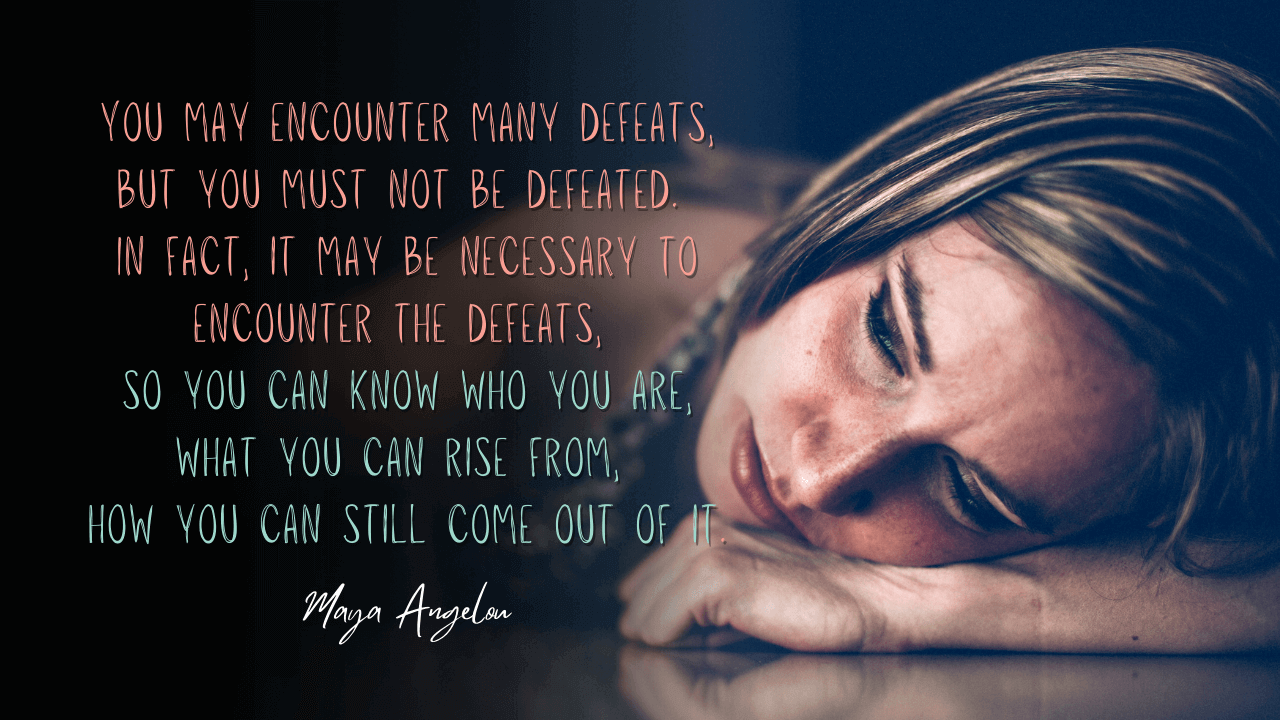
There are times when life seems like it is spiralling out of control, and it can be difficult to see a way out.
Perhaps you have lost your job, your home, or a loved one. Maybe you are struggling with mental or physical health issues.
Whatever the reason, when you hit rock bottom, it can feel like there is no way out.
It's crucial to keep in mind that hitting rock bottom is not the end of your journey.
Instead, it can be a transformative moment that allows you to grow and discover new things about yourself. It might not feel like it at the time, but hitting rock bottom can be the start of a new chapter in your life. A chance to rebuild and become a stronger version of yourself. Though it may sound like empty words now, once you manage to overcome this stage, you will realize the truth in this statement.
In this article, we?ll explore some practical steps you can take to pull yourself up and out of the pit when you feel like you've hit rock bottom. These steps will help you assess your situation, re-evaluate your goals, take care of your physical and emotional needs, and seek professional help if necessary.
By following these steps, you can begin to take control of your life and move forward with hope and confidence. Remember, hitting rock bottom may be a setback, but it's not the end of your journey.
1.Assess Your Situation
The first step to getting out of any difficult situation is to assess what happened and how you got there. Take some time to reflect on what led you to this point. Was it a series of external events that were out of your control, or did you make choices that led you here? Be honest with yourself and try not to place blame on anyone else. By understanding how you got to this point, you can begin to develop a plan to move forward.
2.Revisit Your Goals
When you hit rock bottom, it's easy to lose sight of your goals. Take some time to revisit your goals and assess whether they are still relevant. Do you need to change your goals or adjust your plans to achieve them? Setting goals and working towards them can give you a sense of purpose and direction. Even small steps towards your goals can help you feel more in control of your life.
3.Go Easy on Yourself, But Don?t Wallow in Self-Pity
It's natural to feel down and defeated when you hit rock bottom. Allow yourself to feel these emotions, but don't let them take over. Be kind to yourself and practice self-compassion. Don't beat yourself up over past mistakes or dwell on what you could have done differently. Instead, focus on what you can do now to move forward. Avoid wallowing in self-pity and take proactive steps to improve your situation.
4.Meet Your Physical Needs
When life gets tough, it's easy to neglect our physical needs. But taking care of your body is essential to improving your mental and emotional well-being. Make sure you are eating nutritious meals, getting enough sleep, and practicing good hygiene. Taking care of your physical needs can help you feel better and more capable of handling the challenges you face.
5.Take Responsibility
It's easy to blame others or external circumstances for our problems. But taking responsibility for your situation is an essential step in moving forward. Be honest with yourself about your role in what happened. Did you make choices that led you to this point? If so, take ownership of those choices and learn from them. When you take responsibility, you can take control of your life and make better decisions in the future.
6.Talk with Friends
When you hit rock bottom, it can be easy to feel isolated and alone. But talking to friends can help you feel supported and connected. Spend time with people who care about you and who will listen without judgment. Sharing your feelings and experiences can be cathartic and can help you process your emotions.
7.Adjust Your Self-Talk
Negative self-talk can make a difficult situation even worse. If you find yourself constantly telling yourself that things will never get better or that you're not good enough, it's time to adjust your self-talk. Replace negative thoughts with positive affirmations. Remind yourself that you are capable, strong, and deserving of happiness. Positive self-talk can help you feel more confident and optimistic about the future.
8.Keep Trying
When you feel like you have hit rock bottom, it may seem like there is no way out. However, it is important to remember that hitting rock bottom is not the end of the road. It is simply a turning point where you have the opportunity to start over and create a new path for yourself.
Instead of giving up, keep trying. Learn from the experiences you had and use them to grow and become a better version of yourself. Take small steps every day towards your goals and celebrate your progress along the way.
9.Get Help from Professionals
Sometimes, despite your best efforts, you may find yourself struggling to move forward. When this happens, it is important to seek help from professionals. There is no shame in asking for help when you need it, and it can be the key to getting your life back on track.
A counsellor or therapist can provide you with the support and guidance you need to work through your feelings and develop effective strategies to help you move forward. They can also help you to identify any negative patterns or behaviours that may be holding you back and provide you with the tools you need to make positive changes.
Remember that hitting rock bottom is not a permanent state. It is a difficult time, but it's also an opportunity to reflect and make positive changes in your life. By taking steps to assess your situation, re-evaluate your goals, take care of your physical and emotional needs, and seek professional help if necessary, you can begin to move forward with hope and confidence.
It's important to be patient with yourself and give yourself time to heal. Change doesn't happen overnight, and it's okay to take small steps towards your goals. Celebrate your progress along the way, and don't be afraid to ask for help when you need it.
Ultimately, hitting rock bottom can be a transformative moment in your life. It can be the start of a new chapter where you rebuild and become a stronger version of yourself. Keep pushing forward and never give up hope. You are capable of overcoming this difficult time and creating a bright future for yourself.