
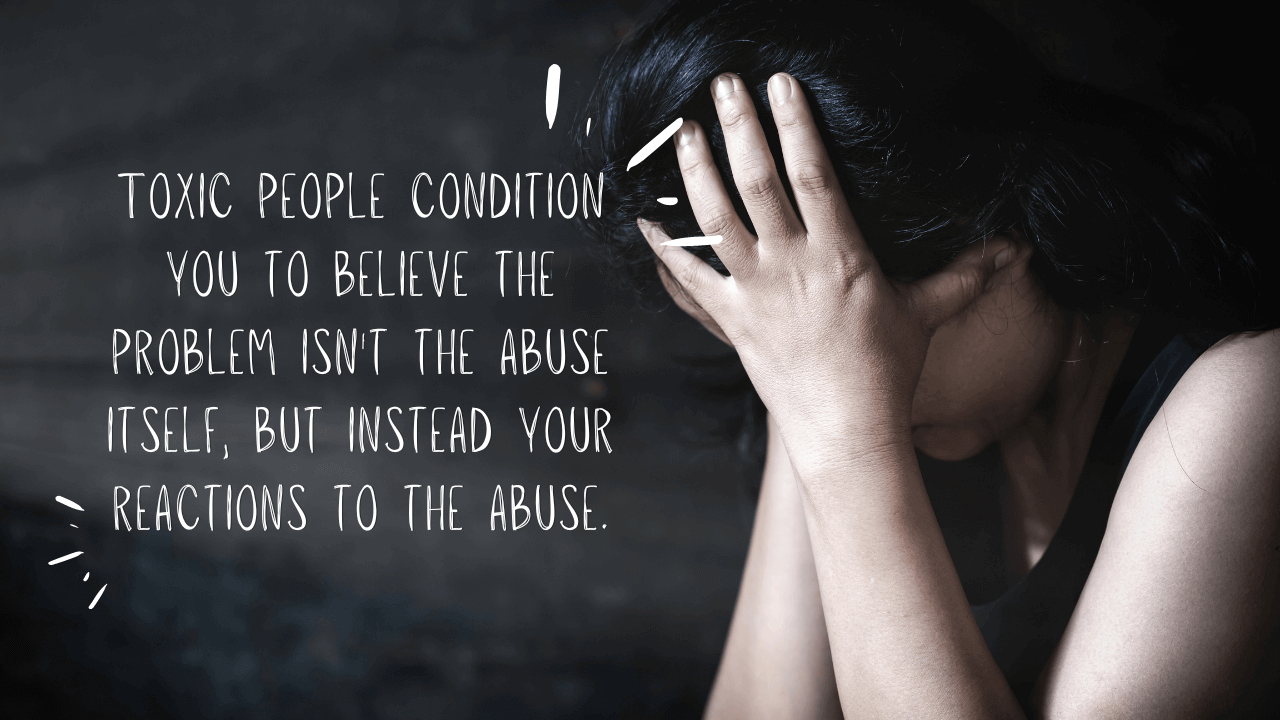
We've all been there before. You're in a relationship that's not good for you, but you can't seem to let go. Whatever the case may be, we've all had toxic relationships in our lives. And while it's easy to get caught up in the drama, it's important to remember that "WE DESERVE BETTER".
Recognizing the signs of a toxic relationship is important because it may help you to end an unhealthy connection. Toxic relationships can be with friends, family members or romantic partners; they affect your physical health, mental state and emotional wellbeing too!
If there are any red flags involved in this type of situation please take action right away- don't let them get worse until after time has passed since departure would make things better again...
What are the signs of toxicity in your life?
When we're in toxic relationships, it is hard to tell which one our feelings and emotions belong to. But some signs may help you determine if your relationship could be considered "toxic."
- You feel drained after being around them.
- You feel like you have to walk on eggshells around them.
- They constantly put you down.
- They make you feel guilty or ashamed.
- They're manipulative or controlling.
- You don't feel good about yourself when you're around them.
- You have frequent arguments with them.
- Your relationship is causing you stress or anxiety.
Toxicity can arise in a few different forms. Consider these common ones:
- Toxic friends - Some friendships can be incredibly toxic. For example, you may have a friend who constantly belittles you, makes you feel bad about yourself or uses you for their gain. Sometimes, they may seem like a friend, but any true signs of friendship are overshadowed by cruel, negative treatment or behaviors toward you.
- Toxic romantic relationships - Not every match is made in heaven. If your partner is dragging you down by making you feel bad about yourself, causing problems in your life, or making you miserable, there?s a good chance that they are a source of toxicity in your life.
- Toxic family relationships - Family members, including parents, grandparents, siblings, aunts, uncles, and beyond, can also present toxicity in your life. Despite sharing family bonds, your relatives can create unpleasant sources of toxicity in your life.
- Toxic workplaces - Workplaces are a common source of toxicity. Whether you are working under immense amounts of pressure with little relief, terrible supervisors, or rude coworkers, a bad workplace environment can bring about lots of toxicity in your life.
What are some strategies for ending sources of toxicity in your life?
Once you've recognized that you're in a toxic relationship, it's time to take action. This can be difficult because often we've become so invested in the relationship that we don't want to let it go. But it's important to remember that toxic relationships are never going to get better on their own; they'll only get worse. So it's important to take decisive action and end the relationship before it does any more damage.
Here are seven ways you can do that:
1. Set boundaries
The first step is to set boundaries with the toxic person in your life. This means setting limits on what you will and will not tolerate from them. For example, if they constantly put you down, tell them that you won't tolerate that behavior and walk away if they continue. Remember, you don't owe anyone an explanation for setting boundaries.
2. Take some time for yourself
It's also important to take some time for yourself, outside of the toxic relationship. This means making time for activities that make you happy and spending time with people who make you feel good about yourself.
3. Communicate your needs
In any relationship, it's important to communicate your needs. This is especially true in toxic relationships. If you're not getting what you need from the toxic person in your life, be sure to communicate that to them. If they're not willing or able to meet your needs, then it may be time to end the relationship.
4. Stand up for yourself
In a toxic relationship, it's common for the toxic person to try and control you. They may do this by manipulation, threats, or even physical violence. It's important to stand up for yourself and set boundaries with them. Remember, you don't have to tolerate their behavior.
5. Seek professional help
If you're struggling to deal with a toxic relationship on your own, it may be helpful to seek professional help. A therapist can assist you in dealing with the toxic person in your life and help you develop healthy coping mechanisms.
6. Create a distance
One way to deal with a toxic person is to create distance between you and them. This may mean ending the relationship completely or simply spending less time with them. If possible, it's best to avoid them altogether.
7. Make a plan
If you're in a toxic situation, it's important to make a plan. This means having a support system in place and knowing what you need to do to take care of yourself. For example, you may need to find a new job or place to live if your workplace or home life is toxic.
Cutting ties with anyone or anything ? even if they?re highly toxic ? can be emotionally challenging. After all, even toxic relationships still hold some kind of significant meaning to you. It?s okay to feel conflicted about a toxic relationship. Sometimes, people and other sources of toxicity can be enjoyable, but when they show their negative sides, it?s an instant reminder of why good self-care involves eliminating them from your life.
When you?re ready to take the next step and end toxic relationships in your life, remember that you don?t have to do it alone. Seek out support from professionals or loved ones who can help you through this difficult time. toxic relationships are never worth sacrificing your mental health and wellbeing. So make the decision that?s best for you and cut ties with toxic people for good.