
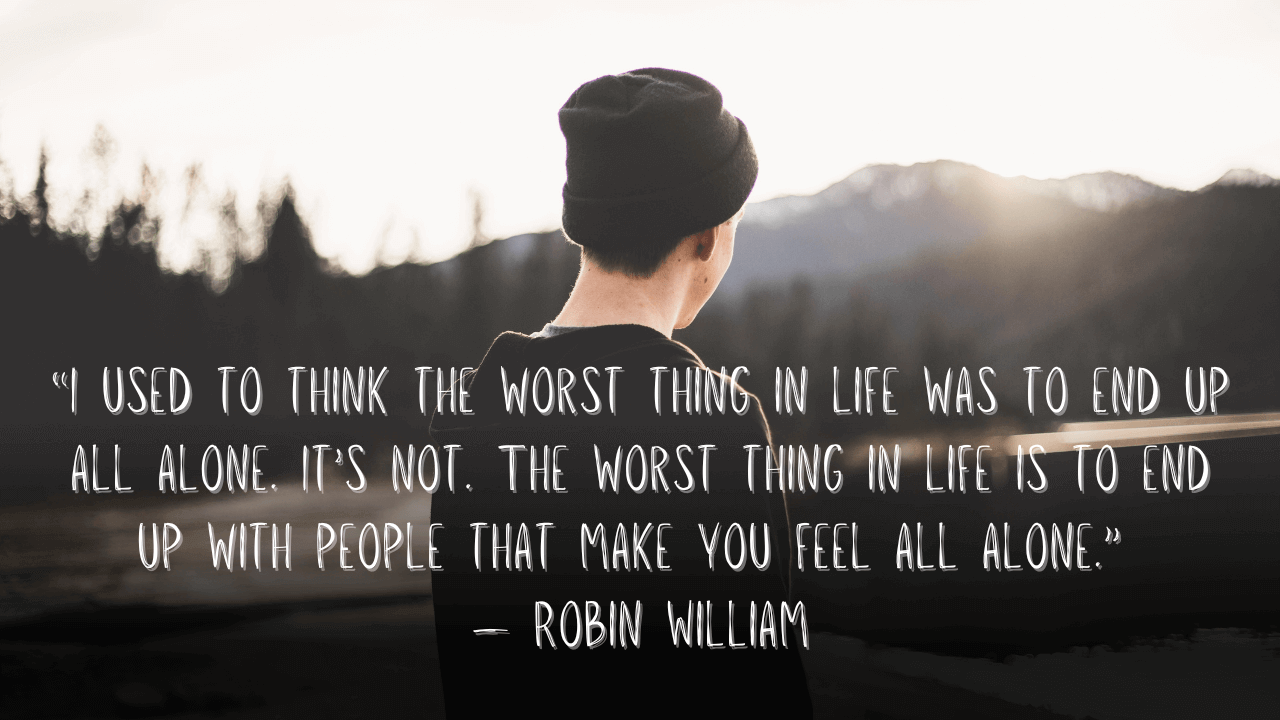
When you?re spending time alone, it can be easy to believe that you?re feeling lonely ? especially if you aren?t particularly thrilled about spending time on your own.
However, there are some key differences that make feeling lonely much different than simply being alone. To get a better idea of the distinctions between feeling lonely and being alone, consider these key differences.
Difference 1: People who are lonely still feel that emotion even when they?re surrounded by other people.
A common misconception about loneliness is that spending more time in groups or around other people will magically make that emotion disappear. This is far from the truth. In fact, people experiencing true loneliness still feel that way, even in situations where they?re surrounded by other people. A person suffering from loneliness can be isolated from others entirely or in a large crowd ? either way, their loneliness doesn?t go away.
Difference 2: People who are spending time alone are in a temporary situation; they have meaningful relationships with others that will continue once they?re with people again.
Pretend you?re spending a weekend alone. Perhaps you rent a cabin or a hotel room and decide to have a relaxing weekend alone to practice self-care and get some much-needed rest. However, about halfway through your weekend trip, you realize you?re tired of being alone on the trip and believe that you?re feeling lonely.
In this situation, you aren?t experiencing true loneliness. For example, you could pick up your cell phone and call your best friend or your parents and have a meaningful conversation with them. Just because you?re alone doesn?t mean your relationships are strained or gone. With people experiencing true loneliness, relationships are hard to create and maintain.
Difference 3: Loneliness is an emotion; being alone is a state of existence.
This is the major key difference between loneliness and being alone. People experiencing loneliness are going through deep emotions and discomfort. These emotions require lots of processing and perhaps even professional intervention to overcome these difficult mental barriers and challenges.
When a person is alone, they aren?t necessarily feeling lonely. At that point and time, they are simply without the company of other people. This isn?t necessarily impactful on their emotions ? for instance, many folks enjoy having some alone time so they can relax and recuperate. While not everyone enjoys being alone, those emotions are quite different from someone experiencing chronic loneliness.
Difference 4: Loneliness often sparks a lot of other uncomfortable emotions.
Being alone can cause folks to feel a variety of emotions. Depending on the person and their preferences for alone time, a person could tell you that spending time alone makes them feel?.
- Relaxed
- Uneasy
- Bored
- Satisfied
- Comfortable
- Tired
- ?.or any other wide variety of feelings!
When someone is alone, it?s easy for them to either enjoy their time or alleviate their feelings if they?re uncomfortable. For example, someone who is tired of spending time alone can call a friend and make plans to meet up, effectively ending their alone time.
People experiencing loneliness often experience much more difficult, complex emotions along with their loneliness. For example, folks in the trenches of chronic loneliness may experience?.
- A lack of confidence or sense of self-worth
- Increasing insecurities about themselves
- Difficulty forming new relationships or maintaining old ones
- Exhaustion after being in a situation where they must interact with others
- A sense of hopelessness
With complications like these, simply reaching out to an old friend likely won?t resolve this type of emotional turmoil. In this sense, loneliness requires more attention to heal than simply being alone.
"Real Loneliness" Versus "I'm not okay with just being with myself"
The word ?loneliness? gets tossed around a lot to describe negative emotions or situations that someone is experiencing. However, it?s important to remember that loneliness is a real emotion with real effects on people?s lives.
Loneliness can have a significant impact on mental and physical health ? folks who experience chronic loneliness are more likely to suffer from anxiety, depression, sleep disorders, and even cardiovascular disease.
While being alone doesn?t have the same risks as loneliness, there are still some dangers associated with avoiding being alone. For some people, the idea of spending time alone is so frightening that they will do anything to avoid it.
Being alone isn?t the same thing as feeling lonely ? but if being alone is something you struggle with, that?s okay, too. Just remember that there?s nothing wrong with learning how to be alone and developing a strong sense of self. In fact, it might just be the best thing you ever do for yourself.
Why are some people not comfortable being alone with themselves or their own thoughts?
There can be a lot of reasons why someone might not feel comfortable being alone. In some cases, it might stem from a fear of being alone or feeling like they?re not good enough company for themselves. For others, it might be that they?re used to having constant stimulation and being alone feels boring. In any case, it?s important to remember that there?s nothing wrong with enjoying your own company and learning how to be okay with being alone.
If you find that you?re not comfortable being alone, there are a few things you can do to help yourself feel better. First, try to gradually increase the amount of time you spend by yourself. Start with just a few minutes and work your way up to longer periods of time. Additionally, try to find ways to keep yourself occupied while you?re alone. This could mean reading, listening to music, or working on a hobby.
Finally, if you find that being alone is consistently causing you anxiety or distress, it might be worth seeking out professional help. A therapist could help you understand and manage any underlying concerns that are contributing to your discomfort.
Why is "I'm not okay with just being with myself" not the same as loneliness?
Loneliness spurs from a period of time without interaction with other people. When a person suffers from loneliness, it?s often due to a major life change that?s affected their regular routines or relationships. When this type of loneliness continues without cessation, it?s referred to as chronic loneliness.
A person who feels lonely often struggles to overcome this emotion even in circumstances where they are surrounded by other people. A person experiencing true loneliness will still feel lonely even when they?re surrounded by other people. For example, it?s possible to still feel lonely when you?re at a house party with a hundred other people. These emotions affect the way the lonely person forms relationships, interacts with others, and feels about their connections with people.
While not wanting to be alone is similar in some ways, there are major contrasts that make it different from true loneliness. When a person doesn?t want to be alone, they don?t struggle to form and maintain relationships with new people. In fact, these folks likely have lots of good relationships with friends, family members, and other people they prefer to spend time with rather than being alone. These people may think they?re feeling lonely, but truthfully, they are only distressed over the idea of being alone.
Final Thoughts
It?s important to understand the difference between being alone and feeling lonely so that you can take steps to avoid real loneliness.
It?s also essential to know that there?s nothing wrong with enjoying your own company and not needing constant companionship. If you find that you?re struggling with loneliness, don?t be afraid to seek help from a therapist or counsellor who can provide guidance and support. And if you?re comfortable being alone, embrace it! There are many benefits to spending time solo, such as getting to know yourself better and having the opportunity to focus on your own needs.